
Mold Testing in Mill Creek Falls, PA

Find the Mold Before It Finds You

Advanced testing catches what you can’t see—so you know exactly what you’re dealing with and what it’ll take to fix it.

Hear from Our Customers

Professional Mold Testing Services

Know What's Growing in Your Home

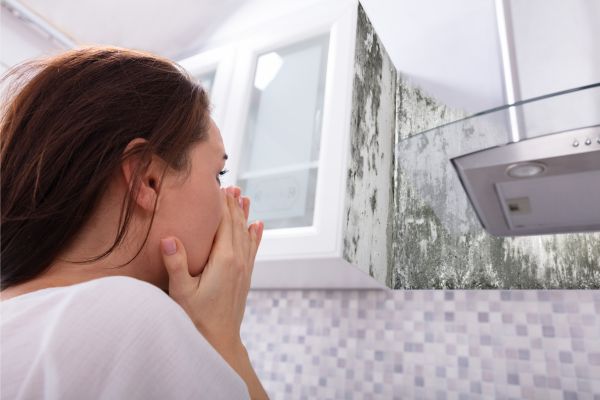
You can’t fix what you can’t identify. That musty smell in the basement, the allergies that won’t quit, the dark spots creeping up the bathroom wall—these aren’t just annoyances you live with.

Professional mold testing tells you what type of mold you’re dealing with, where it’s hiding, and how far it’s spread. Not guesswork. Not a DIY kit that gives you vague results and no direction.

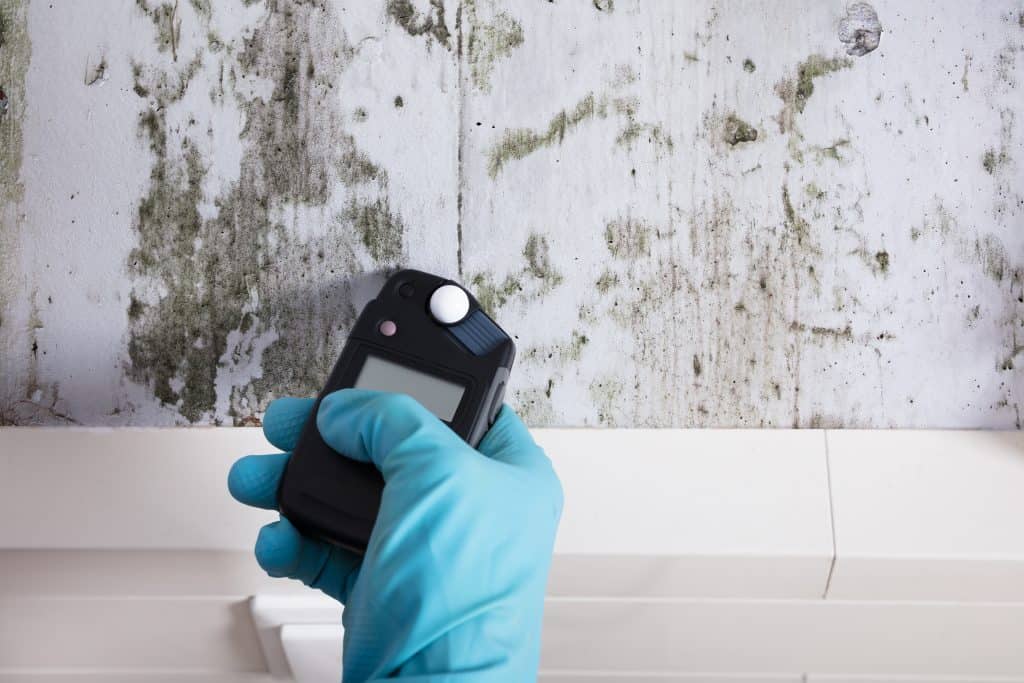
We use infrared cameras to spot moisture you can’t see and air sampling to measure what you’re breathing. You get a clear report that explains what’s happening in your home and what needs to happen next. No more wondering if that spot is dangerous or if your kids’ cough is connected to something in the air.

Certified Mold Inspector Mill Creek Falls

Two Decades Testing Bucks County Homes

We’ve been testing air quality and inspecting for mold in Mill Creek Falls and throughout Bucks County for over 20 years. We know how Pennsylvania’s humid summers create perfect conditions for mold in attics, crawl spaces, and behind walls.

We’re certified mold inspectors with the equipment and experience to find problems other companies miss. When you call, you’re not getting a sales pitch or a crew that’s learning on your dime.

You’re getting someone who’s seen thousands of homes in this area and knows exactly what to look for. We respond within 24 to 48 hours because mold doesn’t wait, and neither should you.

Our Mold Testing Process Explained

What Happens During a Mold Inspection

First, we walk through your home and listen. You know where the problems are—or where you think they are. We look at those areas plus the spots most people don’t check.

We use moisture meters to find damp areas and infrared cameras to see temperature differences that signal hidden water problems. Then we collect air samples from multiple rooms and take surface samples from suspicious areas.

Those samples go to a lab for analysis. You get a detailed report within a few days that identifies the type of mold, the concentration levels, and whether it’s a health risk. We explain the findings in plain language and walk you through what needs to be addressed first.

If remediation is needed, we lay out a plan. If it’s a minor issue you can handle yourself, we’ll tell you that too. The goal is accurate information, not upselling.

Ready to get started?

Explore More Services

About Mack's Mold Removal

Residential Mold Testing Bucks County

What's Included in Your Mold Test

Every mold testing service includes a thorough visual inspection of your entire home—attics, basements, crawl spaces, HVAC systems, and anywhere moisture tends to hide. We check ventilation, humidity levels, and signs of past water damage.

Air sampling captures what’s floating through your home that you can’t see. Surface testing identifies growth on walls, ceilings, and other materials. We use thermal imaging to detect moisture behind walls and under floors without tearing anything apart.

In Mill Creek Falls and Bucks County, we see mold issues spike during summer when humidity sits in the danger zone. AC systems that run constantly without proper duct maintenance create damp environments where mold thrives. Attics with poor ventilation stay damp long enough for spores to take hold even without a leak.

You receive a lab-certified report breaking down mold types, spore counts, and contamination levels. We include photos, moisture readings, and specific recommendations. If your home needs remediation, you’ll know exactly what that involves and why. If it doesn’t, you’ll have documentation proving your air quality is safe.

How do I know if I actually need professional mold testing?

If you smell mold, see visible growth, or have unexplained health symptoms like chronic sinus issues or respiratory problems, testing confirms what you’re dealing with. DIY kits don’t give you the full picture—they can’t tell you mold type, concentration, or whether it’s actually dangerous.

Professional testing makes sense after water damage, before buying a home, or when you’ve tried cleaning mold and it keeps coming back. If someone in your house has allergies or asthma that’s gotten worse, testing identifies whether mold is the trigger.

Pennsylvania’s climate creates high mold risk, especially in Bucks County where summer humidity doesn’t let up. Homes with basements, crawl spaces, or older HVAC systems are particularly vulnerable. Testing gives you facts instead of worry.

A mold inspection is a visual assessment—we look for signs of mold, moisture problems, and conditions that allow mold to grow. Testing goes further by collecting samples and sending them to a lab for analysis.

Inspection tells you where mold is likely growing and what’s causing it. Testing tells you what type of mold it is, how much is present, and whether it poses a health risk. Black mold, for example, requires different handling than common household mold.

Most situations need both. The inspection finds the problem areas. The testing confirms what you’re dealing with so remediation can be done right. Skipping testing means guessing at solutions, which often means the problem comes back.

The inspection and sample collection usually take one to two hours depending on your home’s size and the number of areas we’re testing. We’re thorough but efficient—we’re not here to disrupt your entire day.

Lab results come back within three to five business days. Rush testing is available if you’re in a time crunch, like closing on a home sale or dealing with a health emergency.

Once we get the lab report, we schedule a follow-up to review findings and discuss next steps. You’ll understand what the numbers mean, which areas need attention, and what your options are. We don’t hand you a report and disappear—we make sure you know exactly what you’re looking at.

Home kits seem convenient, but they’re not reliable for making decisions about your health or your home. They can’t tell you mold concentration, whether it’s actively growing, or if it’s actually a problem. Most just confirm that mold exists—which it does in every home to some degree.

Professional testing uses calibrated equipment and lab analysis to measure spore counts and identify specific mold species. That matters because not all mold is treated the same way. Toxic mold requires professional remediation. Surface mold might just need better ventilation.

DIY kits also don’t find hidden mold. We use moisture meters and thermal imaging to detect problems behind walls, under floors, and in spaces you can’t access. If you’re experiencing symptoms or see visible growth, skipping professional testing usually means spending money on fixes that don’t solve the actual problem.

Bucks County’s humid climate creates ideal conditions for several mold types. Aspergillus is common in HVAC systems and shows up as black, white, or green spots. Cladosporium grows on fabrics, wood, and in damp areas like bathrooms. Stachybotrys—black mold—thrives in areas with ongoing moisture problems like leaky roofs or flooded basements.

Pennsylvania summers keep humidity high enough that attics and crawl spaces stay damp even without obvious water intrusion. Poor ventilation makes it worse. Homes built before modern moisture barriers are especially vulnerable.

Each mold type has different health implications and requires specific remediation approaches. Testing identifies exactly what’s growing so treatment targets the right problem. Guessing leads to incomplete remediation and mold that returns within months.

Most residential mold testing in Bucks County runs between $300 and $600 depending on your home’s size and how many samples we collect. Larger homes or properties with multiple problem areas cost more because they require additional air and surface samples.

That price includes the inspection, sample collection, lab analysis, and a detailed report with recommendations. Some companies charge separately for each service—make sure you’re comparing total costs, not just the inspection fee.

Testing costs less than remediation, and it ensures remediation is done right the first time. Skipping testing and guessing at solutions often means paying twice—once for the wrong fix and again to actually solve the problem. We give you a clear quote upfront based on what your situation actually needs.

Other Services we provide in Mill Creek Falls